WHO by Wil Aime, a Karukerament perspective on the marketing strategy [1/3]
What is a monster? In 2019, I conducted a comparative analysis between Admiral T’s “Caribbean Monster” and “Monster” by Drunken Tiger, a Korean rapper who had used the same concept for his 2009 comeback. I found it interesting to see how, ten years apart, two artists from two different cultures had turned a shared reference on its head to symbolize their vision of strength and power. The monster figure is one of the first concepts we study in school. Regardless of culture or country, fairy tales and legends form the foundation of our imaginations. These stories rely on archetypes and follow a narrative structure designed not only to entertain but also to explore human nature. In a Caribbean context shaped by dehumanization, the definition of a monster is all the more a matter of perspective.
With “WHO”, his first feature film, Wil Aime offers a contemporary take on the figure of the monster. Here is the synopsis from Disney+, where the film has been available to stream since May 30th 2026.
Nine criminals, each one of a kind, discover that one of them has been arrested. There’s only one explanation: the traitor is sitting right there at their table. Their pact is hanging by a thread. They must unmask the informant before he brings them all down, one by one. But the most dangerous person isn’t always the one you’re looking at.
Who is the traitor? That’s the story’s most basic perspective of the plot. Whether you think there’s only one act of betrayal—by Moses, Walter, Ariane, or some other character—or whether you think there are multiple acts of betrayal committed by Jahnaël or another character, it doesn’t matter at all. They’re all criminals. They’re all monsters. The few “origin story” sequences for certain characters, as tear-jerking as they may be, don’t exempt them from being judged on the scales of morality. Of course, everyone has their own definition of what is moral and what isn’t.
“In a world of monsters, who is the real monster?”... This is the second layer of meaning in the story, which is actually the tagline used during the promotional campaign. Is it those who commit the crimes, those who benefit from the crimes without getting their hands dirty, or those who know about it, gain nothing from it, and remain silent? Regardless of the answer, “WHO” is designed to let the audience choose the culprit(s) based on their own personal morality. However, in his interviews with French media “Clique” and “Booska-P” before the film’s release, Wil Aime didn’t address this philosophical aspect of “WHO” at all. When he talked about his film, he highlighted the character of Wilson, who isn’t even mentioned in the synopsis and didn’t appear on the poster until the film was released on Disney+. The entire film was marketed based on Jahnaël’s devil-like silhouette, even though the point was to show the duality of human nature—the two sides of the same coin.
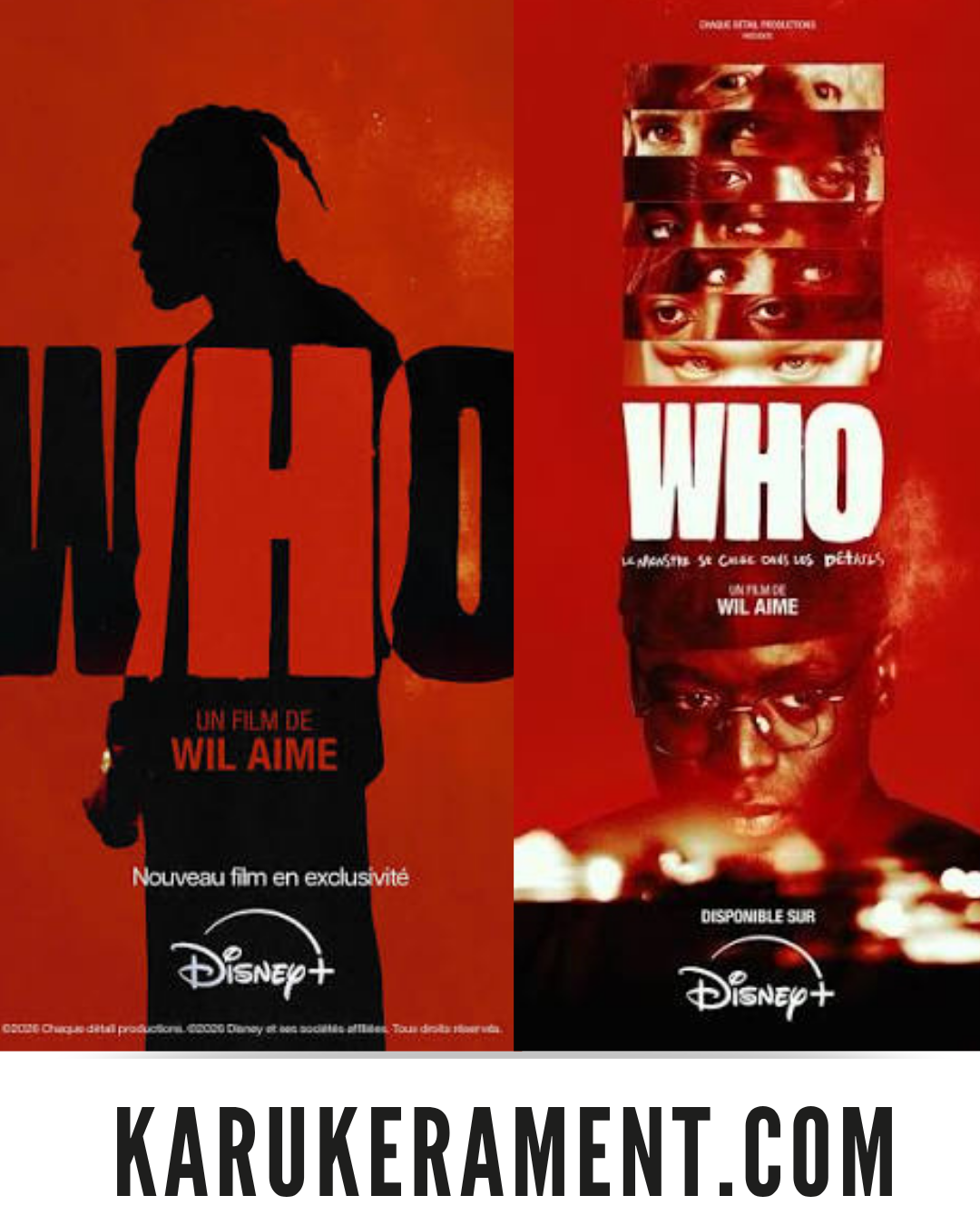
I think the pre-release marketing didn’t help the audience set the right expectations, and the film was judged more for what it isn’t than for what it is. One common criticism concerns the plot: a miniseries format would have been better suited to exploring each character, rather than highlighting only a few and giving the impression of going in circles. Indeed, that would have resolved those pacing issues so characteristic of French storytelling. In any case, the conclusion leaves the door open for a sequel that would prompt us to think in the opposite direction. Instead of defining a monster, the question to ask would be: what defines our humanity?
From “The Art of Cheating” to “The Ideal Son-in-Law”, via “The Prisoner’s Dilemma” and “How to Get Out of the Friend Zone”, Wil Aime’s short and medium-length films center on characters faced with choices that are morally and/or legally reprehensible. This ongoing exploration of the definition of humanity lies at the heart of Caribbean cinema. In his interviews, Wil Aime speaks of his Guadeloupean roots and of having been immersed in “Antillean” culture, but does he truly align with Guadeloupean artistic tradition? From a Karukerament perspective, he had the opportunity to offer a unique storytelling style à la Christian Lara. For an analysis of the challenges of representing the Caribbean, click here.